


CNC turning and Cnc Milling are two widely used machining processes for manufacturing precision metal parts. Although both use computer-controlled machines, they differ in how the cutting tool and workpiece move during machining.
Understanding the difference between cnc turning vs milling can help manufacturers and buyers choose the right machining process for a specific part design.
What Is CNC Turning?
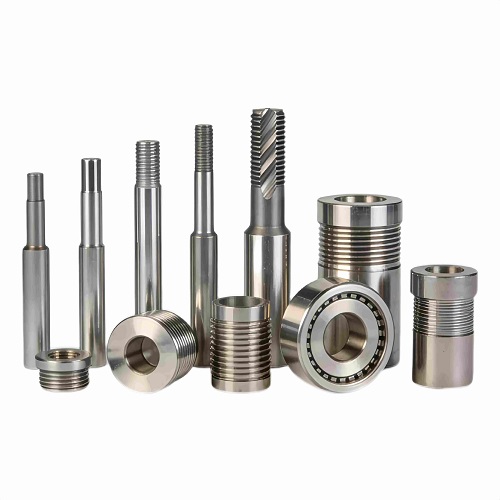
CNC turning is a machining process in which the workpiece rotates while a cutting tool removes material from its surface. The cutting tool moves along the workpiece to create the required dimensions and geometry.
CNC turning is commonly used to manufacture cylindrical or rotational parts, such as shafts, pins, bushings, sleeves, and threaded components.
What Is CNC Milling?
CNC milling uses rotating cutting tools to remove material from a stationary workpiece. The cutting tool can move along multiple axes to produce different shapes, holes, slots, pockets, and complex surfaces.
CNC milling is suitable for both simple and complex components and is widely used for aluminum, stainless steel, copper, engineering plastics, and other materials.
CNC Turning vs Milling: What Is the Difference?
| Feature | CNC Turning | CNC Milling |
|---|---|---|
| Main Movement | Workpiece rotates | Cutting tool rotates |
| Typical Parts | Shafts, pins, bushings, sleeves | Brackets, housings, plates, complex components |
| Common Shapes | Round and cylindrical | Flat, angular, pocketed, and complex |
| Typical Operations | Turning, facing, threading, grooving | Milling, drilling, pocketing, contouring |
When Should You Choose CNC Turning?
CNC turning is generally a good choice when the main geometry of a part is rotational or cylindrical. It can efficiently produce consistent diameters, threads, grooves, and other rotational features.
Common CNC turning applications include:
Precision shafts
Metal pins
Bearings and bushings
Sleeves
Threaded components
Rotational machine parts
When Should You Choose CNC Milling?
CNC milling is more suitable for parts that require flat surfaces, slots, holes, pockets, contours, or complex three-dimensional features.
Typical CNC milling applications include:
Machine brackets
Aluminum housings
Mounting plates
Mechanical components
Fixtures and tooling
Complex precision parts
Can CNC Turning and Milling Be Used Together?
Yes. Some components require both turning and milling operations. For example, a part may first be turned to create a precise cylindrical body and then milled to add slots, holes, flats, or other features.
For complex components, CNC turning and milling can also be integrated into advanced multi-axis or mill-turn machining equipment. This can reduce the number of setups and improve machining consistency.
How to Choose Between CNC Turning and Milling?
The right process depends mainly on the part geometry, dimensional requirements, material, production volume, and required machining features.
When requesting a custom CNC machining service, providing a 2D drawing, 3D CAD file, material specification, quantity, and tolerance requirements can help the manufacturer determine the appropriate machining process.
Conclusion
The main difference between CNC turning and milling is the way the workpiece and cutting tool move. CNC turning is mainly suited to rotational parts, while CNC milling is more flexible for flat, angular, pocketed, and complex geometries.
For some precision components, both processes may be combined to achieve the required dimensions and features. Choosing the appropriate CNC machining process can improve manufacturing efficiency, accuracy, and overall part quality.