In modern manufacturing, Laser Cutting has become one of the most efficient and precise technologies for processing metal, plastic, and various industrial materials. Compared with traditional cutting methods such as mechanical cutting, stamping, or waterjet cutting, laser technology offers significant advantages in accuracy, speed, and flexibility, making it widely used across automotive, aerospace, electronics, and fabrication industries.
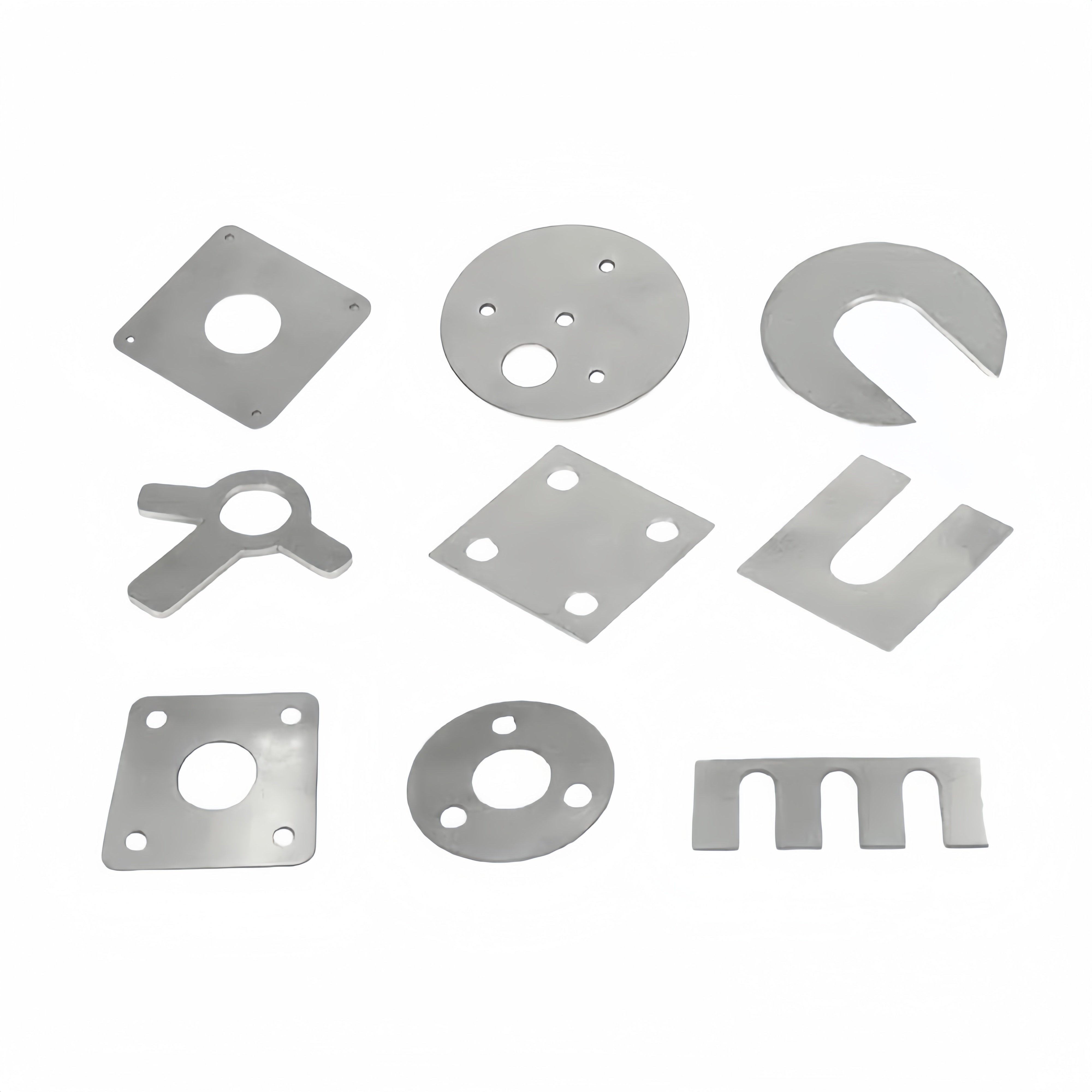
One of the biggest advantages of laser cutting is its exceptional precision. A modern laser cutting machine uses a highly focused laser beam to cut materials with extremely fine tolerances. This allows manufacturers to achieve clean edges, smooth surfaces, and complex geometries that are difficult to produce using conventional methods. As a result, precision laser cutting is especially suitable for high-end industrial parts that require tight dimensional control.
Another key benefit is the high efficiency and fast processing speed. Unlike mechanical cutting, which may require tool changes and physical contact with the material, laser cutting is a non-contact process. This reduces wear and tear on equipment and allows continuous, high-speed operation. Many manufacturers rely on laser cutting service providers to quickly produce both prototypes and mass production parts with consistent quality.
Flexibility is also a major advantage of laser technology. A single laser cutting machine can handle a wide range of materials, including stainless steel, aluminum, carbon steel, acrylic, and plastics. It can also cut complex shapes without the need for custom tooling, which significantly reduces setup time and production cost. This makes custom laser cutting an ideal solution for projects requiring unique designs or small-batch production.
Compared to traditional cutting methods, laser cutting also produces minimal material waste. The narrow kerf width ensures efficient material usage, which helps reduce costs and improve sustainability. Additionally, because the process is highly automated and controlled by CNC systems, it reduces human error and ensures consistent quality across all production runs.
Another important advantage is the clean and smooth cutting edge. In many cases, laser cutting eliminates the need for secondary finishing processes such as grinding or polishing, saving both time and labor costs. This makes it highly suitable for industries that require high-quality surface finishes, such as electronics and precision engineering.
In conclusion, laser cutting offers superior advantages over traditional cutting methods, including high precision, fast production speed, material versatility, and excellent edge quality. Whether using a laser cutting machine for in-house production or working with a professional laser cutting service, manufacturers can achieve efficient and cost-effective results. As industrial demands continue to grow, precision laser cutting and custom laser cutting will remain essential technologies in modern manufacturing.