Die Casting is one of the most widely used metal forming technologies in modern industry, especially for producing high-precision, high-volume metal parts. It is valued for its ability to create complex shapes with excellent surface finish and tight dimensional tolerances. From automotive components to electronic housings, die casting plays a critical role in global manufacturing.
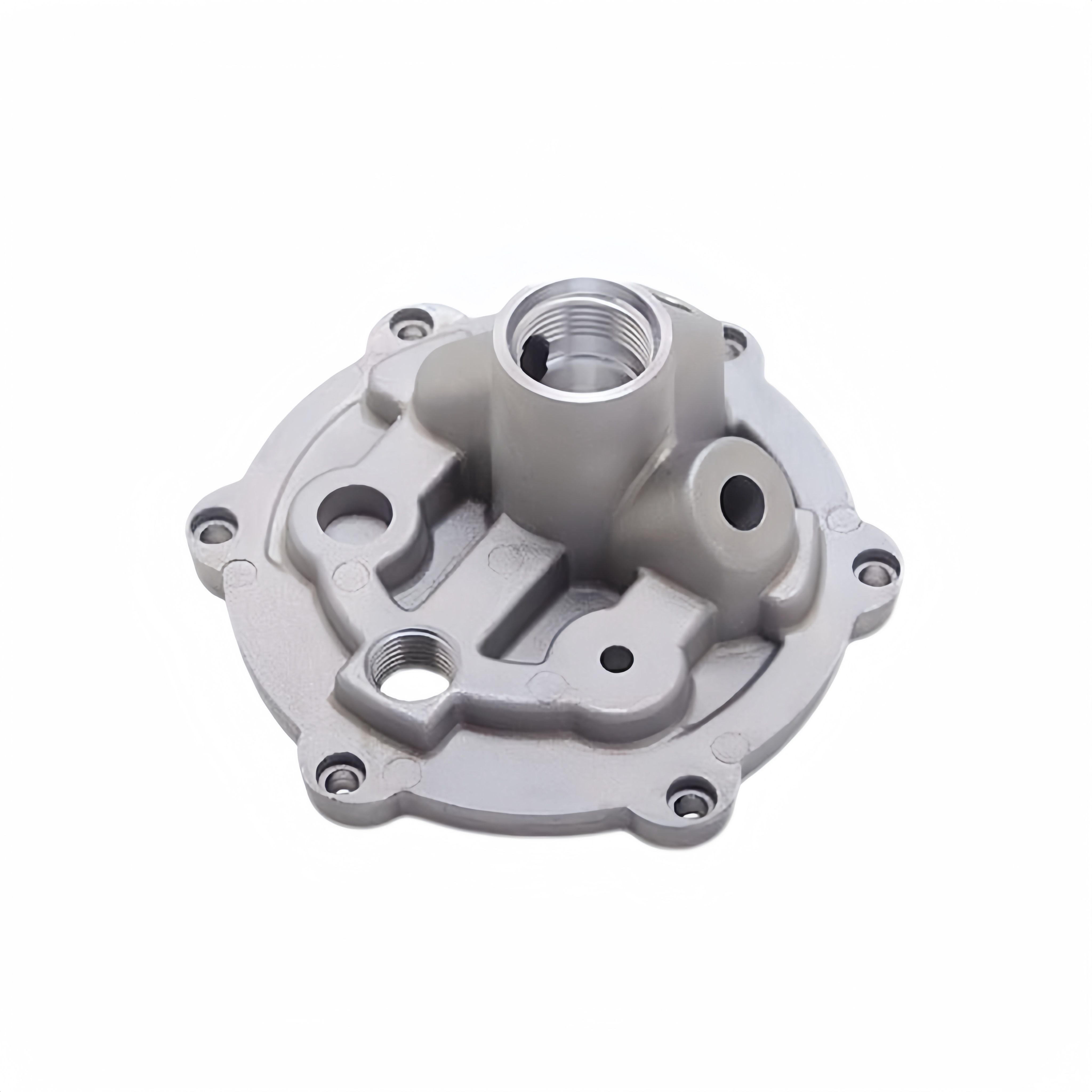
In simple terms, die casting is a process where molten metal is injected into a steel mold (called a die) under high pressure. Once the metal cools and solidifies, the mold is opened and the finished part is ejected. This method allows manufacturers to produce consistent parts efficiently and at scale, making it ideal for mass production environments.
The die casting process typically begins with preparing the mold. The die is cleaned and lubricated to ensure smooth release and extend tool life. Next, molten metal—commonly aluminum, zinc, or magnesium alloys—is injected into the mold cavity at high pressure. The metal fills every detail of the mold, which is essential for producing precise and complex geometries. After cooling and solidification, the part is ejected, and any excess material is trimmed or machined if necessary. This cycle can be repeated quickly, enabling extremely efficient production rates.
In modern die casting manufacturing, automation and advanced machinery have significantly improved productivity and quality consistency. Compared with traditional casting methods, die casting provides better surface quality, higher dimensional accuracy, and stronger mechanical performance. It also reduces the need for secondary machining, which helps lower overall production costs and shorten lead times.
Industrial die casting is widely used across many sectors, including automotive, aerospace, electronics, and industrial equipment. For example, engine blocks, gearbox housings, heat sinks, and structural components are often produced using die casting due to its strength and lightweight advantages. As industries continue to demand more efficient and durable components, die casting remains a preferred solution.
Choosing a professional die casting service is essential for ensuring product quality and manufacturing stability. Experienced suppliers can provide full-process support, from mold design and prototype development to mass production and quality inspection. A reliable service provider not only improves production efficiency but also helps optimize product design for better performance and cost control.
In conclusion, die casting is a highly efficient and precise manufacturing method that supports a wide range of industrial applications. By understanding how the die casting process works and the advantages it offers, businesses can make better decisions when selecting manufacturing solutions for their products.