In recent years, 3D Printing has revolutionized modern manufacturing by enabling fast, flexible, and cost-effective production of complex parts. From rapid prototyping to end-use components, 3D printing technology is widely adopted across aerospace, automotive, medical, and consumer product industries. One of the key advantages of this technology is the wide range of materials it can process.
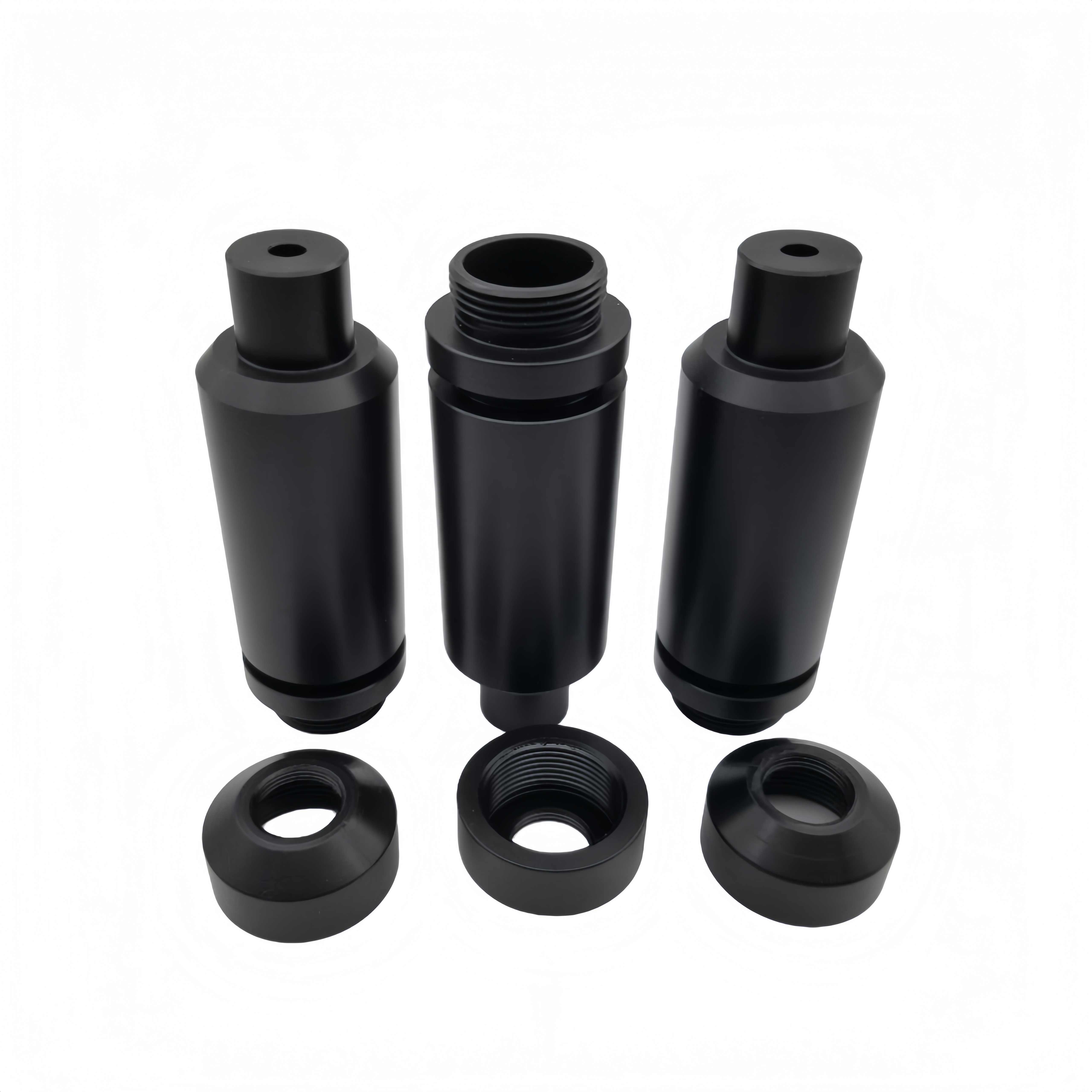
One of the most commonly used materials in 3D printing is thermoplastic filament, such as PLA, ABS, PETG, and nylon. These materials are popular due to their affordability, ease of printing, and versatility. They are widely used in prototyping, product design validation, and functional testing. Many companies rely on 3D Printing Service providers to produce these plastic parts quickly and efficiently.
For more advanced applications, engineering-grade plastics such as PEEK and polycarbonate are used in industrial 3D printing. These materials offer high strength, heat resistance, and chemical stability, making them suitable for aerospace components, automotive parts, and high-performance engineering applications. As a result, 3D printing technology is no longer limited to prototyping but is increasingly used for functional end-use parts.
Metals are also a major category in modern additive manufacturing. stainless steel, aluminum, titanium, and Inconel are commonly used in industrial 3D printing processes such as SLM (Selective Laser Melting) and DMLS (Direct Metal Laser Sintering). These materials are ideal for producing lightweight yet strong components in aerospace, medical implants, and industrial machinery.
Resin materials are another important option, especially in SLA (Stereolithography) printing. Resin allows for extremely high detail and smooth surface finishes, making it suitable for dental models, jewelry, and precision prototypes. Many users choose professional 3D Printing Services when high accuracy and fine detail are required.
In addition, composite materials such as carbon fiber-reinforced plastics are gaining popularity. These materials combine lightweight properties with enhanced mechanical strength, making them suitable for robotics, drones, and automotive performance parts. The continuous development of 3D printing technology is expanding material possibilities and improving production efficiency.
Overall, 3D printing supports a wide variety of materials, including plastics, metals, resins, and composites. Choosing the right material depends on application requirements such as strength, temperature resistance, and surface quality. By working with a reliable 3D printing service, businesses can access expert guidance and advanced equipment to achieve high-quality results.
In conclusion, whether for prototyping or end-use production, industrial 3D printing and professional 3D printing solutions provide unmatched flexibility in material selection and design freedom, making them a key technology in modern manufacturing.