The aerospace industry demands exceptional precision,reliability,and performance from every component used in aircraft and spacecraft.From commercial airplanes to military aircraft and satellites,every part must meet strict quality and safety standards.Sheet Metal Fabrication for aerospace plays a critical role in producing lightweight,durable,and high-precision components that help ensure optimal aircraft performance.
In this article,we'll explain what aerospace sheet metal fabrication is,how the manufacturing process works,its key materials and applications,and why choosing an experienced fabrication partner is essential.
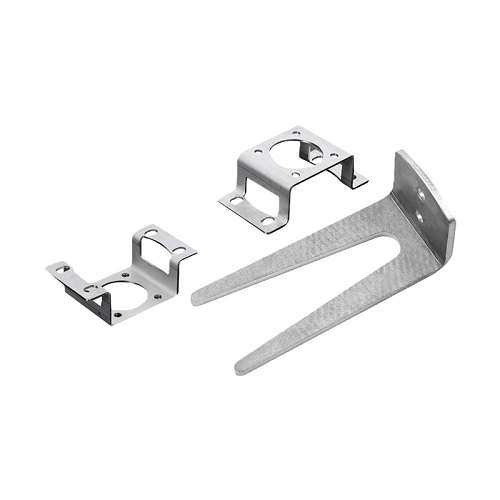
What Is Aerospace Sheet Metal Fabrication?
Sheet metal fabrication for aerospace is the process of transforming flat metal sheets into precision-engineered components used in aircraft,helicopters,drones,spacecraft,and aviation equipment.Using advanced manufacturing technologies such as CNC sheet metal fabrication,Laser Cutting,bending,stamping,welding,and surface finishing,manufacturers produce complex parts with extremely tight tolerances.
Unlike general metal fabrication,aerospace sheet metal fabrication requires compliance with strict industry standards to ensure every component performs reliably under high stress,extreme temperatures,vibration,and changing atmospheric conditions.
The Aerospace Sheet Metal Fabrication Process
Producing aerospace components involves multiple precision manufacturing steps.
1.Engineering Design
Every project begins with detailed CAD drawings and engineering analysis.Designers optimize the component for strength,weight reduction,manufacturability,and assembly.
2.Material Selection
Choosing the right material is essential for balancing strength,corrosion resistance,and weight.
Common aerospace materials include:
Aluminum alloys
stainless steel
Titanium alloys
Nickel-based alloys
High-strength steel
Each material offers unique mechanical properties suited to different aerospace applications.
3.Precision Cutting
Modern manufacturers use fiber laser cutting,CNC punching,or waterjet cutting to create accurate blanks with minimal material waste.
High cutting precision ensures excellent dimensional consistency throughout production.
4.Forming and Bending
Press brakes and CNC forming machines shape flat sheets into complex three-dimensional structures while maintaining tight tolerances and structural integrity.
5.Welding and Assembly
Depending on the component design,fabrication may involve:
TIG welding
MIG welding
Spot welding
Riveting
Mechanical fastening
Every joining method is carefully controlled to meet aerospace quality standards.
6.Surface Finishing
Finished components often receive additional treatments,including:
These processes improve corrosion resistance,durability,and appearance.
7.Inspection and Testing
Every aerospace component undergoes comprehensive quality inspection using advanced measuring equipment such as:
Coordinate Measuring Machines(CMM)
3D scanners
Optical inspection systems
Non-destructive testing(NDT)
Strict inspection helps ensure compliance with customer specifications and aerospace regulations.
Key Features of Aerospace Sheet Metal Fabrication
Compared with conventional fabrication,aerospace manufacturing offers several distinct advantages.
Exceptional Precision
Aircraft components often require tolerances measured in fractions of a millimeter.Precision manufacturing ensures accurate assembly and reliable performance.
Lightweight Construction
Reducing aircraft weight improves fuel efficiency and increases payload capacity.Aerospace manufacturers optimize component designs while maintaining structural strength.
High Strength
Components must withstand vibration,pressure changes,fatigue loading,and extreme environmental conditions throughout their service life.
Excellent Corrosion Resistance
Aircraft operate in challenging environments,including humidity,salt air,ultraviolet radiation,and temperature fluctuations.Proper material selection and surface treatments significantly extend component life.
Consistent Quality
Advanced manufacturing equipment and strict quality management ensure every production batch meets identical specifications.
Applications of Aerospace Sheet Metal Fabrication
Aircraft sheet metal parts are widely used throughout modern aerospace systems.
Typical applications include:
Aircraft fuselage panels
Wing structures
Engine covers
Cabin interior components
Air ducts
Mounting brackets
Electronic equipment enclosures
Structural reinforcement parts
Landing gear covers
UAV and drone components
These parts are essential for both structural performance and operational safety.
Benefits of Custom Aerospace Sheet Metal Fabrication
Many aerospace projects require specialized designs that standard components cannot provide.
Working with an experienced aerospace sheet metal manufacturer offers several advantages:
Custom engineering support
High-precision manufacturing
Rapid prototyping
Flexible production volumes
Consistent product quality
Faster lead times
Cost-effective manufacturing
Reliable technical support
Custom fabrication enables manufacturers to meet unique project requirements while improving overall production efficiency.
Choosing the Right Aerospace Sheet Metal Fabrication Partner
When selecting an aerospace fabrication services provider,consider the following factors:
Experience in aerospace manufacturing
Advanced CNC and laser cutting equipment
Engineering and design capabilities
Strict quality control procedures
Material expertise
Precision inspection equipment
Prototype and mass production capabilities
On-time delivery performance
Responsive customer service
A reliable manufacturing partner helps reduce production risks while ensuring every component meets demanding aerospace standards.
Sheet metal fabrication for aerospace is far more than simply cutting and bending metal.It combines advanced engineering,precision manufacturing,strict quality control,and specialized materials to produce components that meet the aerospace industry's demanding requirements.
Whether manufacturing structural assemblies,aircraft sheet metal parts,or customized aviation components,experienced aerospace sheet metal fabrication companies deliver the precision,reliability,and consistency needed for modern aerospace applications.By partnering with a trusted aerospace sheet metal manufacturer,businesses can achieve superior product quality,improved efficiency,and long-term project success.
FAQ
1.What is sheet metal fabrication for aerospace?
It is the process of manufacturing precision metal components for aircraft and aerospace equipment using techniques such as CNC machining,laser cutting,bending,welding,and surface finishing.
2.Which materials are commonly used in aerospace sheet metal fabrication?
The most common materials include aluminum alloys,titanium,stainless steel,nickel alloys,and high-strength steel due to their strength-to-weight ratio and corrosion resistance.
3.Why is precision important in aerospace fabrication?
Aircraft components must fit together perfectly and perform reliably under extreme operating conditions.High precision improves safety,durability,and overall aircraft performance.
4.What industries use aerospace sheet metal fabrication?
Applications include commercial aviation,military aircraft,helicopters,satellites,spacecraft,unmanned aerial vehicles(UAVs),and aerospace research equipment.
5.How do I choose a reliable aerospace sheet metal manufacturer?
Look for a manufacturer with aerospace experience,advanced production equipment,strict quality control systems,engineering expertise,and the ability to provide customized fabrication solutions.