Forging is a widely used manufacturing method that shapes metal using compressive force to produce strong, durable, and high-performance components. It plays a critical role in automotive, aerospace, energy, and heavy machinery industries where strength and reliability are essential. The selection of materials is one of the most important factors in determining the final quality and performance of forged parts. In modern forging, different metals are chosen based on strength requirements, cost efficiency, and application environments.
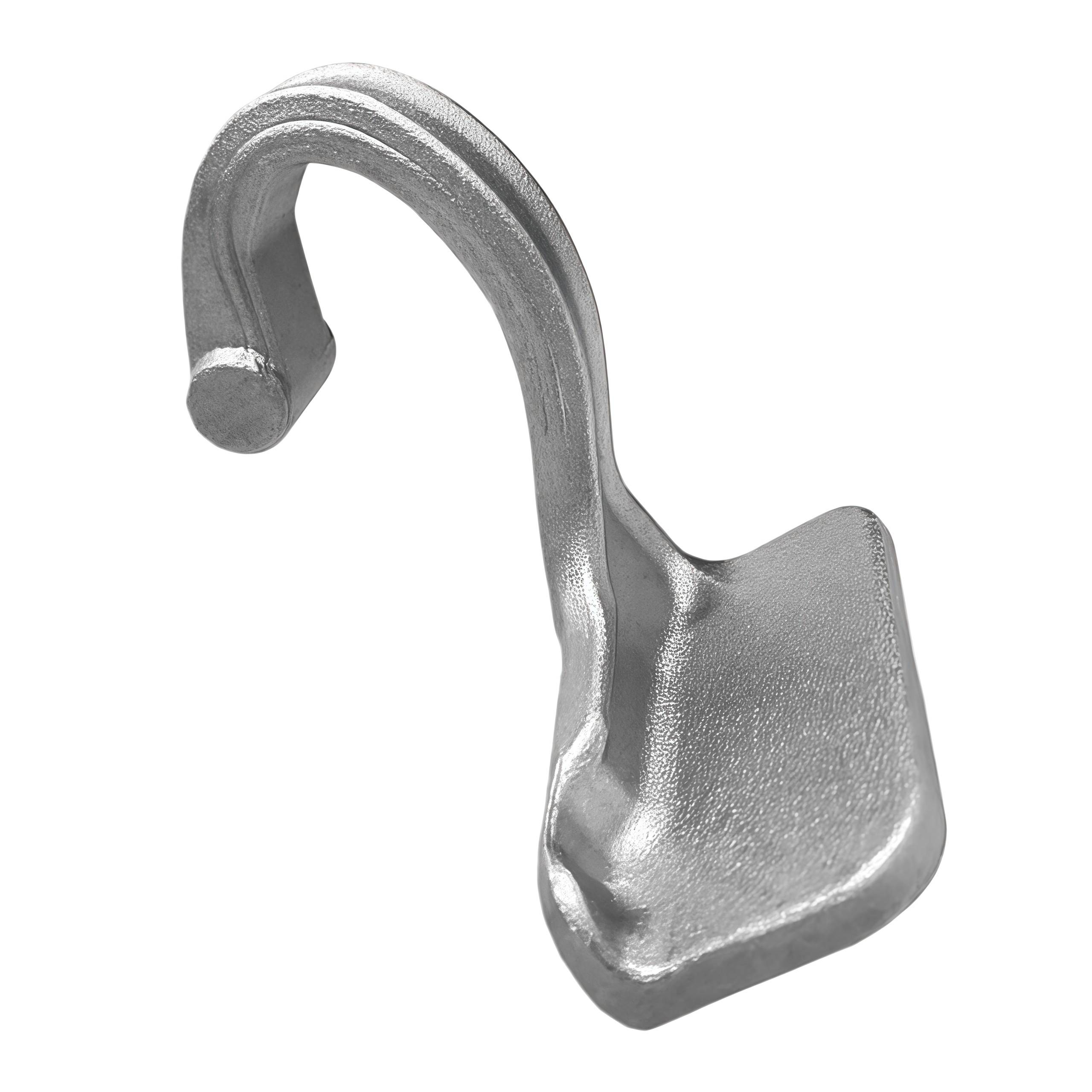
Carbon steel is one of the most commonly used materials in metal forging due to its excellent balance of strength, ductility, and affordability. Low-carbon steel is easy to form and suitable for general structural components, while medium and high-carbon steels provide greater hardness and wear resistance. This makes carbon steel ideal for producing industrial parts, tools, automotive components, and mechanical structures that require reliable performance under normal working conditions.
Alloy steel is another widely used material in the forging process, especially for applications requiring higher strength and toughness. By adding elements such as chromium, nickel, and molybdenum, alloy steel gains improved mechanical properties, including better fatigue resistance and heat resistance. It is commonly used in demanding applications such as gears, shafts, and heavy-load machinery parts. In forging manufacturing, alloy steel is often selected for components that must perform under extreme stress or harsh environments.
stainless steel is valued for its excellent corrosion resistance and durability, making it suitable for industries such as food processing, chemical engineering, marine equipment, and medical devices. Although it is more difficult to forge compared to carbon steel due to its hardness and work hardening characteristics, stainless steel provides long-term performance in environments exposed to moisture, chemicals, or high temperatures. For this reason, it is an important material in advanced industrial production.
Aluminum is widely used in Forging Service applications where lightweight and corrosion resistance are required. Aluminum alloys offer a high strength-to-weight ratio, making them ideal for aerospace components, automotive parts, and electronic housings. Forged aluminum parts are not only lightweight but also have good thermal conductivity and dimensional stability, which makes them highly valuable in modern engineering design focused on efficiency and energy savings.
Titanium is considered a premium forging material due to its exceptional strength, low density, and outstanding corrosion resistance. It is commonly used in aerospace, medical implants, and high-performance industrial systems. However, titanium is more difficult to process and requires advanced equipment and precise control during the forging manufacturing process. Despite its higher cost, its performance advantages make it indispensable in critical applications where reliability and weight reduction are essential.
The forging process involves heating (in most cases), shaping under pressure, and controlled cooling to improve the internal grain structure of the metal. Different materials behave differently during deformation, which makes material selection a key step in production planning. A well-controlled forging process enhances mechanical properties such as strength, toughness, and fatigue resistance, ensuring long-term durability of the final product.
In modern industry, professional Forging Service providers play an important role in material selection and process optimization. Experienced manufacturers help customers choose the most suitable metals based on application requirements, cost targets, and performance expectations. With advanced technology and strict quality control, modern forging manufacturing ensures that each component meets high industrial standards and performs reliably in real-world conditions.
Overall, commonly used forging materials such as carbon steel, alloy steel, stainless steel, aluminum, and titanium each offer unique advantages. Understanding their properties and how they respond to the forging process helps manufacturers produce stronger, more efficient, and more reliable components for a wide range of industrial applications.